The Paradise of Thorns is a bold, emotionally charged Thai movie that thrives on moral ambiguity. It tells the story of Thongkam (Jeff Satur), a grieving widower stripped of his durian farm due to the lack of same-sex marriage rights. What follows is a desperate, often brutal battle with Sek’s mother Saeng and her adopted daughter Mo (Engfa Waraha), both of whom stake their claim to the land.
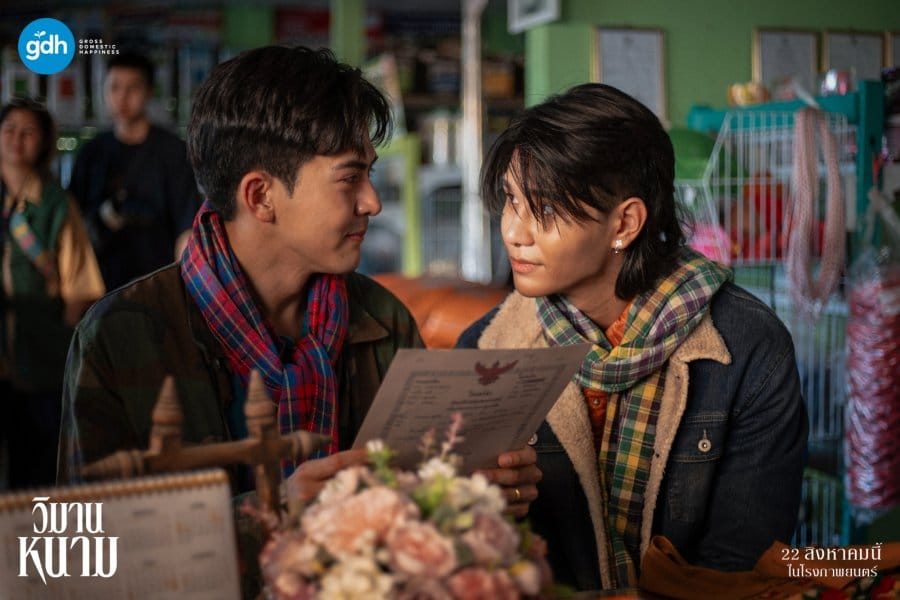
What Is The Paradise of Thorns Really About?
If I had to sum up The Paradise of Thorns in a single word, it would be desperate. This film doesn’t play with traditional notions of good versus evil. Instead, it immerses viewers in a morally grey world where every major character is layered, flawed, and incredibly human. Jeff Satur plays Thongkam, a durian farmer left shattered after the death of his husband, Sek. Due to discriminatory laws, Thongkam loses ownership of the orchard to Sek’s mother, Saeng—portrayed as an embodiment of rigid traditionalism—who arrives with her adopted daughter Mo to claim what she now legally owns.
From there, The Paradise of Thorns launches into a slow-burning yet gripping power struggle that’s more about emotional scars than legal paperwork.
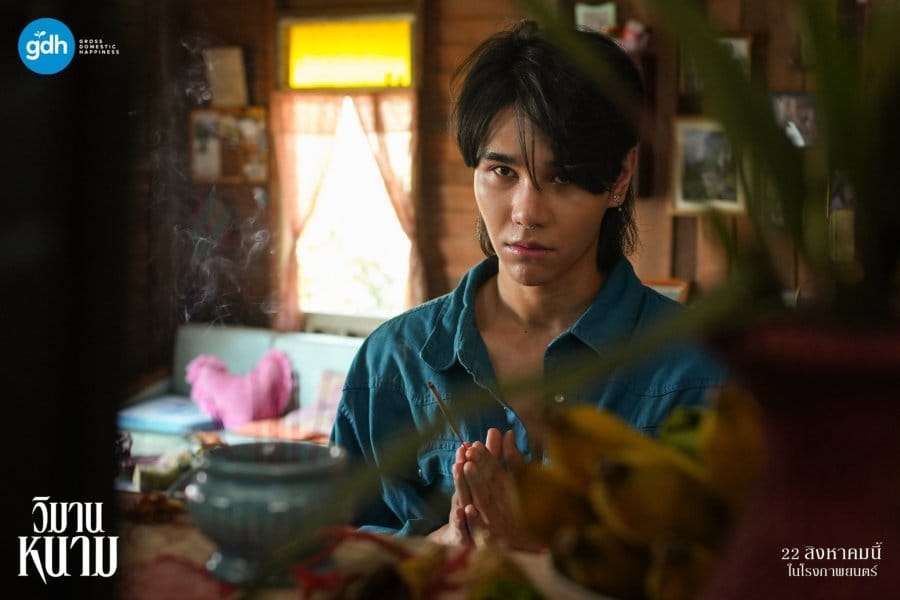
Thongkam: A Man with Nothing Left to Lose
Thongkam, played powerfully by Jeff Satur, is no saint either. His actions—especially later in the film—veer into morally unacceptable territory. Yet his desperation is just as palpable. Stripped of the man he loved and the farm they built together, Thongkam clings to the orchard as a last piece of Sek. Every decision he makes, however questionable, stems from a place of aching grief. His transformation throughout The Paradise of Thorns makes him one of the most complicated characters Jeff Satur has ever portrayed.
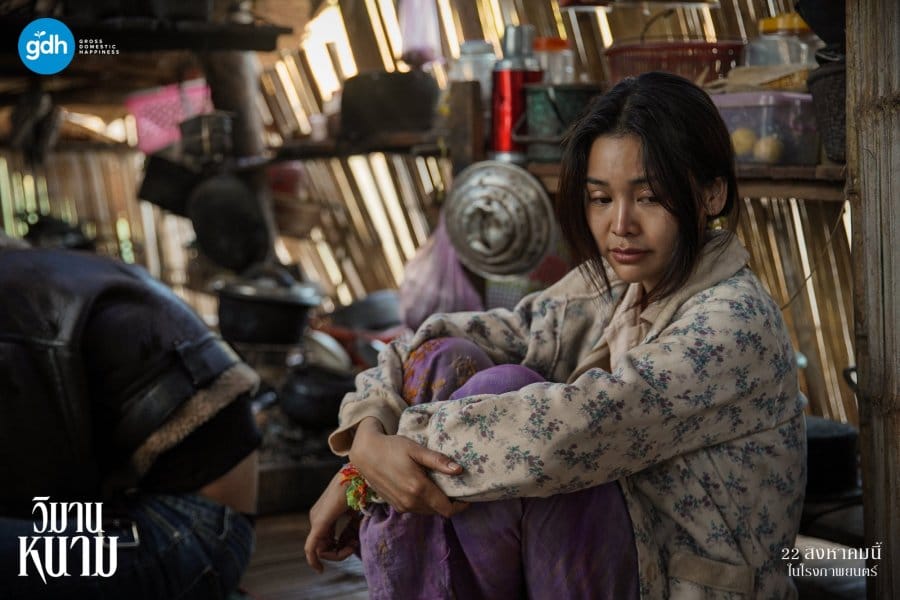
Mo: The Antagonist You Can’t Fully Hate
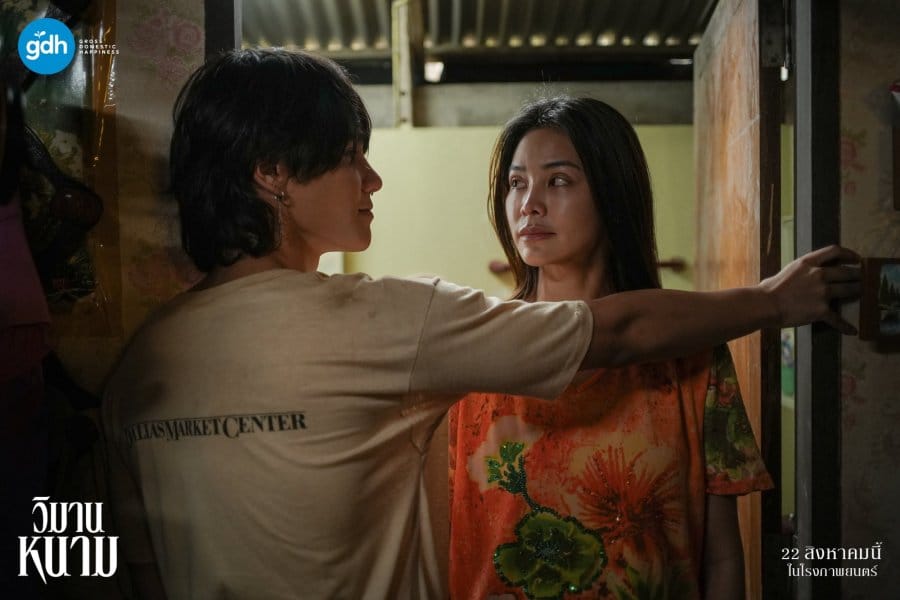
Based on the trailer alone, many would assume Mo is the clear-cut villain. She lies, manipulates, and does everything in her power to keep the orchard in her and her mother’s hands. But The Paradise of Thorns refuses to make her one-dimensional. Thanks to Engfa’s outstanding performance, Mo emerges as a deeply tragic figure. She’s not just fighting for land—she’s clawing for validation from a mother who sees her only as a servant.
This portrayal makes her polarizing. While her choices are frequently unethical, her motivations are painfully relatable. You won’t root for her, but you’ll understand her—and that’s the genius of this screenplay by One Pongsittisak.
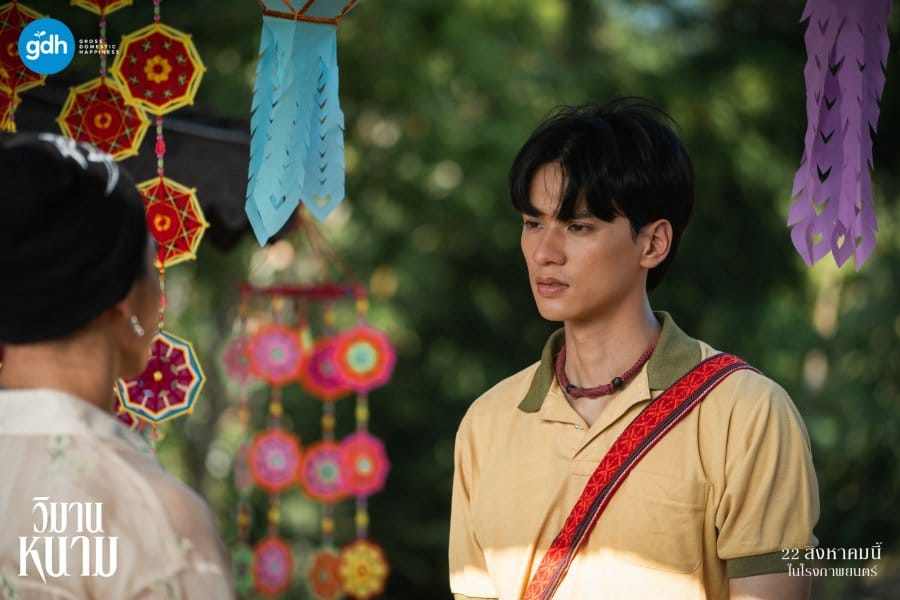
Jingna: Thongkham’s Lover
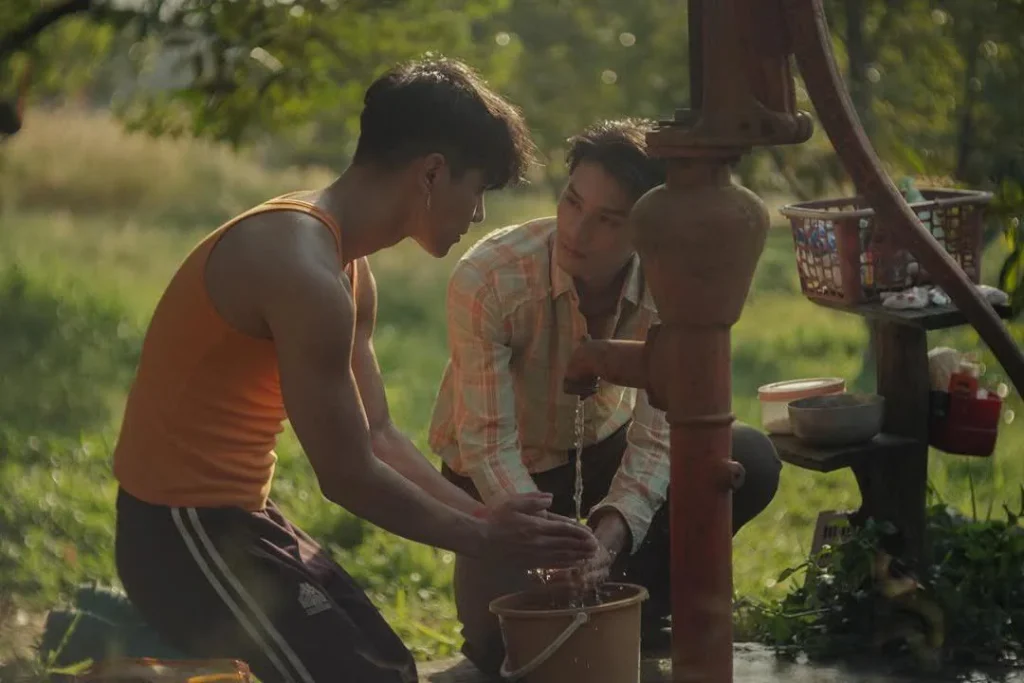
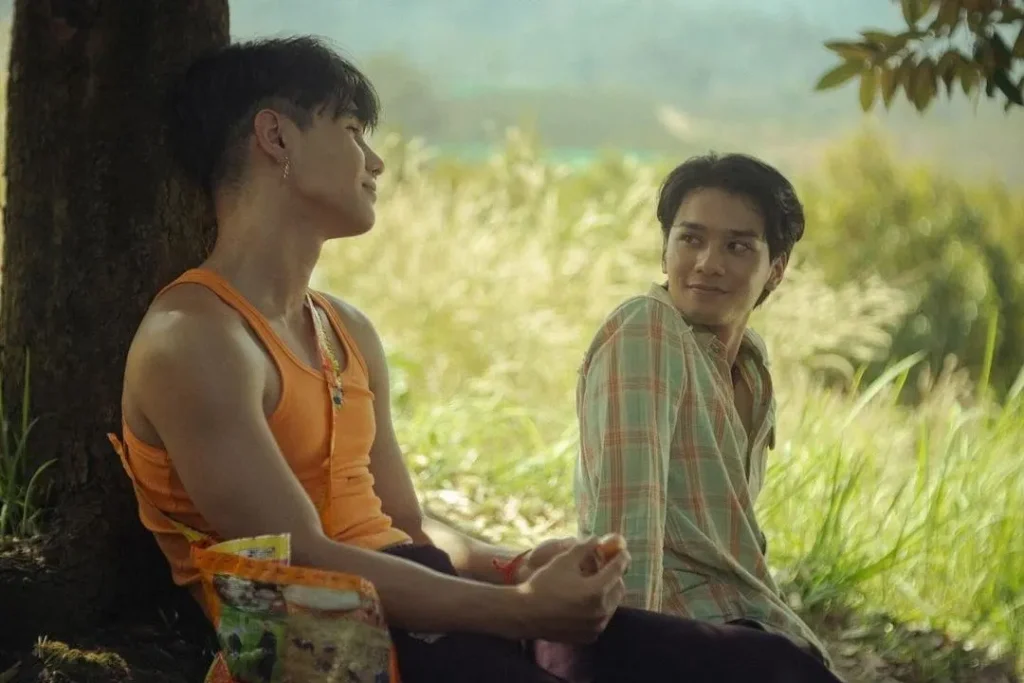
Jingna, brought to life by Keng Harit Buayoi, serves as the film’s conscience. Like a bird’s-eye view of the orchard, he sees all, his perspective offering a bittersweet wisdom on the cost of blind pursuit. He is Mo’s brother who comes to work in the farm and falls in love with Thongkham. Jingna and Thongkham’s relationship is sweet and charming, but not that well developed. This is probably one of the problems in the movie, although it didn’t bother me that much.
Saeng: Generational Trauma on Display
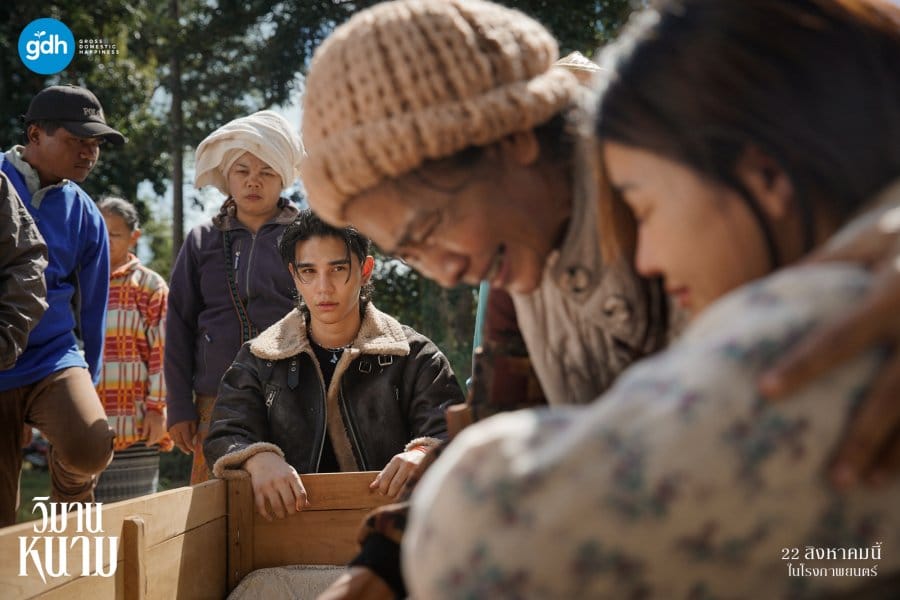
Saeng played by Srida Puapimol, in many ways, represents the friction between generational values. Her belief that children exist to care for their parents reflects a common sentiment in many Asian cultures. For some viewers—especially those from Western backgrounds—Saeng may appear selfish and cruel. But others, particularly from South Asia, may find her actions familiar, even understandable. The Paradise of Thorns thrives on this duality. It doesn’t tell you what to think—it lets you project your own experiences onto its characters.
Visually Stunning and Rich in Symbolism
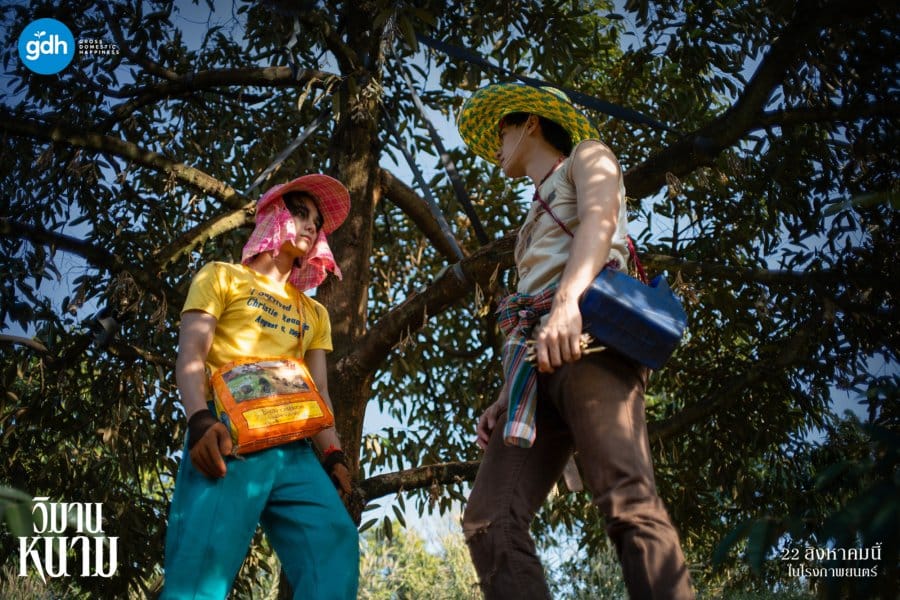
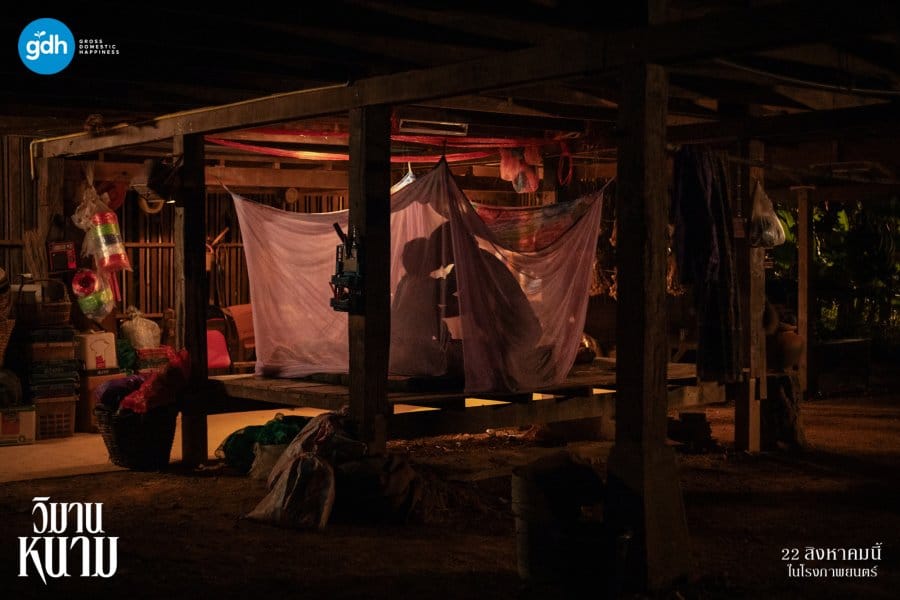
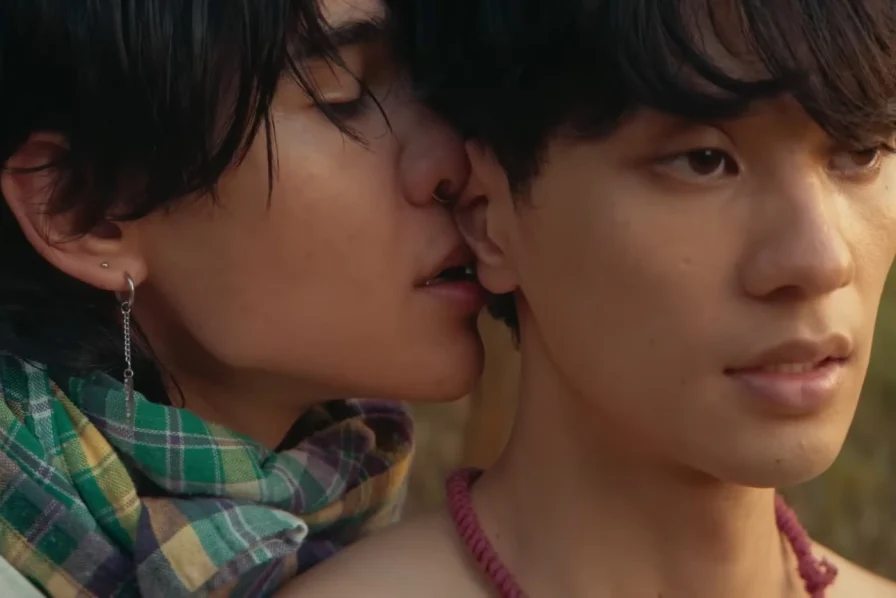
Visually, The Paradise of Thorns is absolutely breathtaking. The earthy greens and browns of the durian orchard contrast beautifully with the vivid clothing worn by the characters, subtly reinforcing the tension between nature and human conflict. There are several cinematic moments that feel almost like paintings, offering symbolic reflections of the characters’ inner turmoil.
One of the most striking visual scenes involves dual weddings: Mo’s extravagant legal wedding contrasted with Kam and Jingna’s durian-themed ceremony. The juxtaposition speaks volumes about LGBTQ+ rights in Thailand. The moment is bittersweet, clever, and emotionally gutting.
Music That Cuts Through Silence
The musical score in The Paradise of Thorns is minimal but deeply effective. Sparse violin chords punctuate key emotional beats, creating an unsettling atmosphere that mirrors the characters’ mental states. The one full song featured—Jeff’s haunting “Rain Wedding”—plays during the end credits and leaves a lingering sadness, echoing the film’s tragic core.
The Ending: Shocking, Brutal, and Haunting
SPOILERS AHEAD!
The final 15 minutes of The Paradise of Thorns take a violent, unexpected turn. What begins as emotional manipulation escalates into physical assault, knife fights, and shocking deaths. Kam’s attempted sexual assault of Mo feels out of place, even though the film frames it as a desperate act rather than lust. This moment risks alienating viewers, even if the intention is to show the depths of his despair.
Jingna’s death, while heartbreaking, brings the story full circle—leaving Kam right where he started: broken, alone, and without the orchard. Similarly, Mo’s life unravels. Her new husband turns violent, steals their money, and leaves her in a wasteland of ruined durians. The film ends not with a sense of closure, but with poetic justice.
Final Thoughts: A Thorny Masterpiece
The Paradise of Thorns is not a comfortable watch, but that’s exactly why it works. This film strips its characters bare, showing their flaws, fears, and deepest regrets. Jeff Satur delivers a masterful performance that anchors the emotional chaos, while Engfa transforms Mo into a character that viewers will debate long after the credits roll. Under One Pongsittisak’s precise direction, the film avoids clichés and presents a messy, emotional story with no easy answers.
This is a movie that demands a second viewing—not just for the plot twists, but for all the small visual cues and emotional layers you may miss the first time.
Should You Watch The Paradise of Thorns?
Absolutely. If you’re looking for a story that challenges your moral compass, dazzles you visually, and showcases phenomenal acting from Jeff Satur and Engfa, The Paradise of Thorns delivers on every level. It’s not just a film—it’s a conversation starter, a mirror, and a thorn in your heart that stays long after you leave the theater.
Watch it on Netflix


